
According to the Ministry of Health, since the start of the COVID-19 pandemic to date, more than 289,000 deaths have been recorded from infections in Mexico, with rural or peri-urban communities being especially vulnerable groups. In addition to the above, in recent years phenomena such as migration, low-technification and low-cost imported products have drastically modified the productive capacities of Mexican ejidos and agrarian communities.
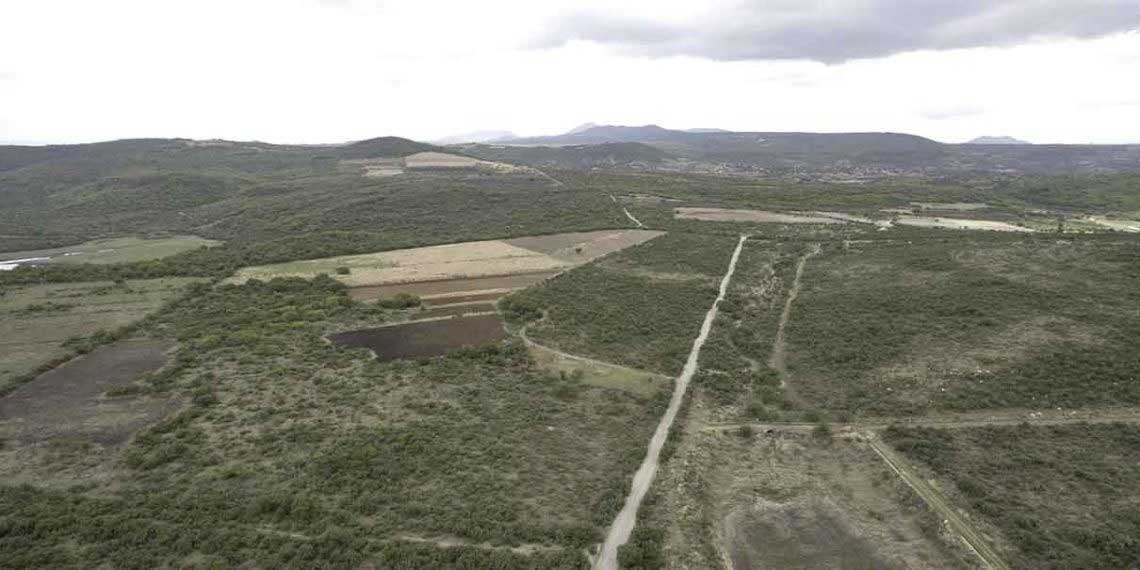
Around 50% of the national territory is under an ejido or communal regime, with little homogeneous characteristics in terms of the distribution of resources and socioeconomic level. Many ejidatarios whose average age was advanced died, leaving large extensions of intestate land or in unfinished processes of sale, regularization, certification or titling, among other legal statuses.
For its part, the National Agrarian Registry (RAN), which is in charge of ejidal and communal land tenure as well as providing documentary legal security, derived from the application of the Agrarian Law, has been especially limited by sanitary measures. arranged at the Federal level. This causing a delay of almost two years in procedures in process and an incalculable list waiting for appointments, which exceed the bureaucratic capacity of said decentralized body.
If we add to the mortality rate the high expenses caused by hospitalization and scarce supplies, such as oxygen or specialized medicines, among many other variables derived from the socioeconomic situation, an unprecedented phenomenon arises in terms of land ownership at the national level. national. In other words, while for generations the properties have been concentrated in a few hands, at this time the supply of properties exceeds the demand.
The vicissitudes and inheritances have become catalysts that restructure the access and distribution of wealth, with companies in key sectors being the most benefited. From online commerce, technology, logistics, pharmaceuticals to textiles, they have increased their profits due to rising prices and increased demand for their products or services. This implies a greater need for space in terms of distribution centers, warehouses and even hangars.
As the companies require a larger extension of land due to the increase in the operation, the ejidos are extremely attractive due to the price that generally goes below any property regularized under the private property regime. But, once again, despite the efforts to acquire the sets of plots that make up the polygons, the government agencies that do not have the human capital or sufficient resources to streamline the processes put investment incentives at risk.
The medium and long-term cost of losing direct investment can undoubtedly hinder regional development, both at the macroeconomic level and at the microeconomic level with respect to the families that depend on the sale of the properties to meet their needs.
Of course, "development" represents a broad debate, especially when it comes to issues such as land, which comprise a national ideology rooted since the revolution, both in the feelings of the people and in legal matters, uses and customs. Especially, if the options are specified in the commercial, industrial and housing sectors, which, due to particular bad practices and poorly implemented regulations, have triggered subhuman conditions, polluting in many cases and devastating the natural resources on which ecosystems depend and the communities.
The challenge for the parties involved is to find legal, technological and organizational cooperation mechanisms that allow regulated operations to be carried out without abusing the vulnerability of the families that comprise the Mexican ejido. From the institutions, public officials must be sensitized to favor consensus at the first level, which corresponds to the productive social base on which the entire national economy depends.